


Industry Guidelines
The National Air Filtration Association creates best practice guidelines unique to each specific industry. Some of our staff are continuously contributing to these guidelines based on our over 50 years of experience as a leader in the air filtration industry.
What Are NAFA Best Practice Guidelines?
The National Air Filtration Association (NAFA) develops best practice guidelines for filtration across a variety of industries and facility types. These resources help facility owners, managers and HVAC professionals understand filtration considerations and recommended practices for their environments.
NAFA Best Practices Industry Guideline Library
Filtration for Airborne Infections Containment Rooms in Health Care Facilities
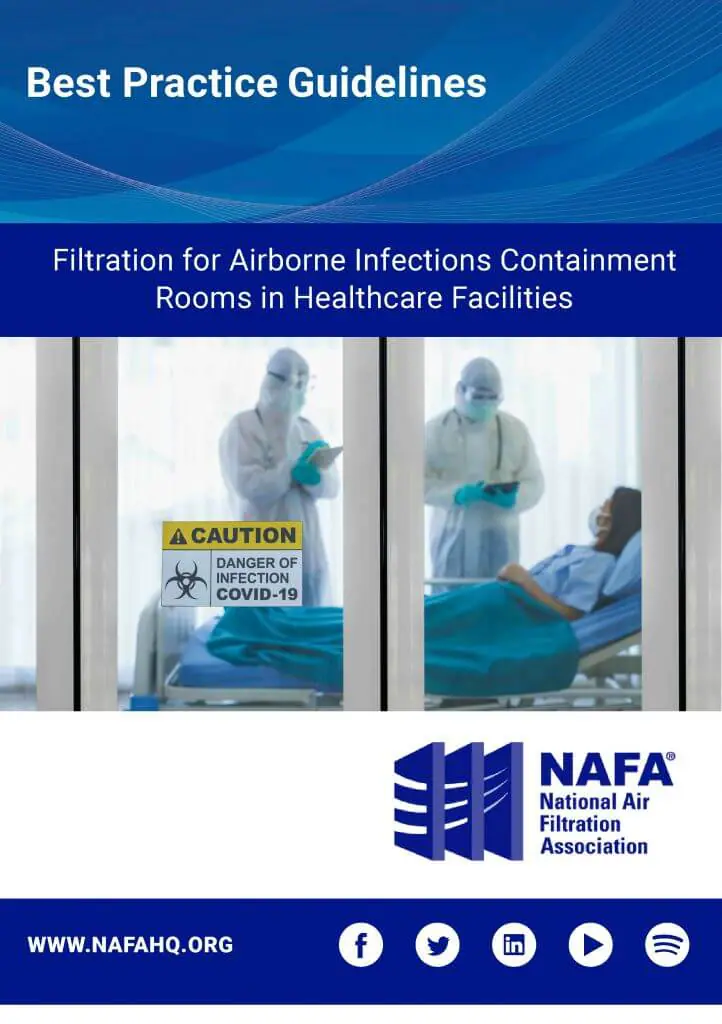
This best practice guideline establishes criteria for using air filtration in the removal of airborne infectious pathogens from hospital containment rooms for the purpose of protecting staff, patients and visitors from nosocomial infections.
Filtration for Commercial Office Spaces
This best practice establishes air filtration guidelines for the removal of particulate, bioaerosols, and gaseous contaminants for the protection of the air handling equipment and components, as well as providing comfort and a healthy environment for all who work and visit commercial office spaces.
Filtration for Air Filtration in Computer Data Centers
Data Centers require highly controlled air quality to protect critical Information Technology (IT) infrastructure from airborne contaminants such as particulate, volatile organic compounds (VOC’s), and corrosive gases.
Filtration for Higher Education Complexes
This best practice air filtration guideline is established for the removal of particulate and molecular contaminants (please refer to NAFA Guidelines for Molecular Filtration) for the improvement of indoor air quality and protection of HVAC equipment in Higher Education facilities.
Filtration for Libraries, Archives and Museums
This best recommended practice establishes air filtration guidelines for the removal of particulate and gaseous contaminants for the protection and long-term preservation of historical documents and artifacts.
Filtration for Schools
This best practice establishes air filtration guidelines for the removal of particulate, bioaerosols, and gaseous contaminants for the protection of the air handling equipment and components, as well as providing comfort and a healthy environment for all who work and visit commercial office spaces.
Filtration for Spray Finishing Particulate
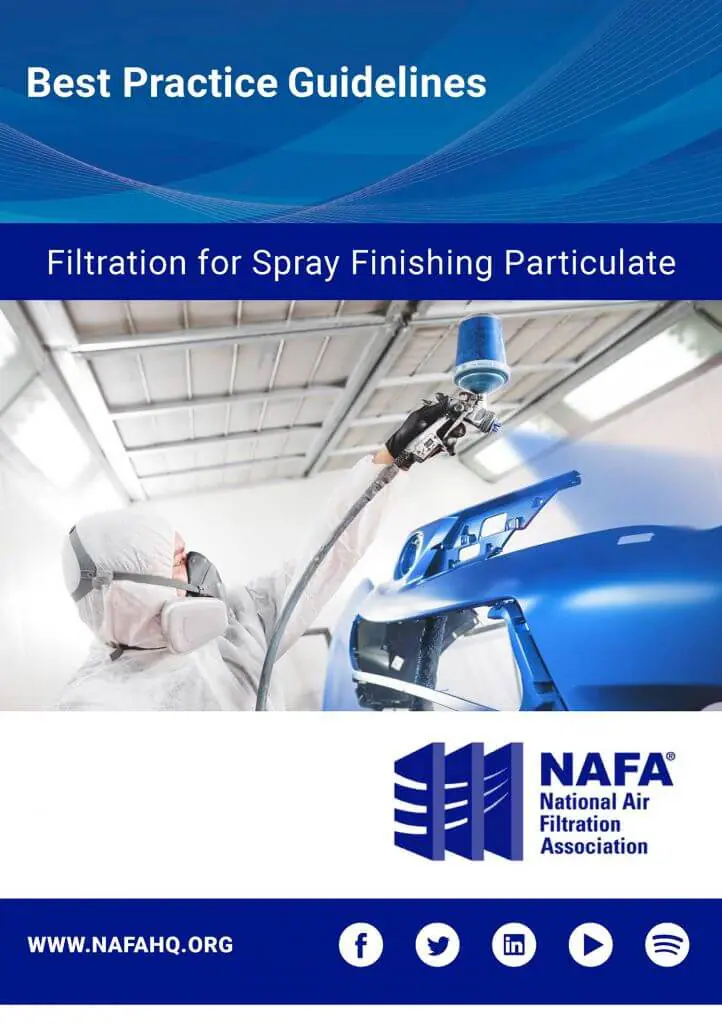
This best-recommended practice establishes air filtration and spray collection guidelines for the removal of airborne contaminants for the protection of the employees, equipment, and environment in commercial and industrial spray booths.
Filtration for Welding Fumes
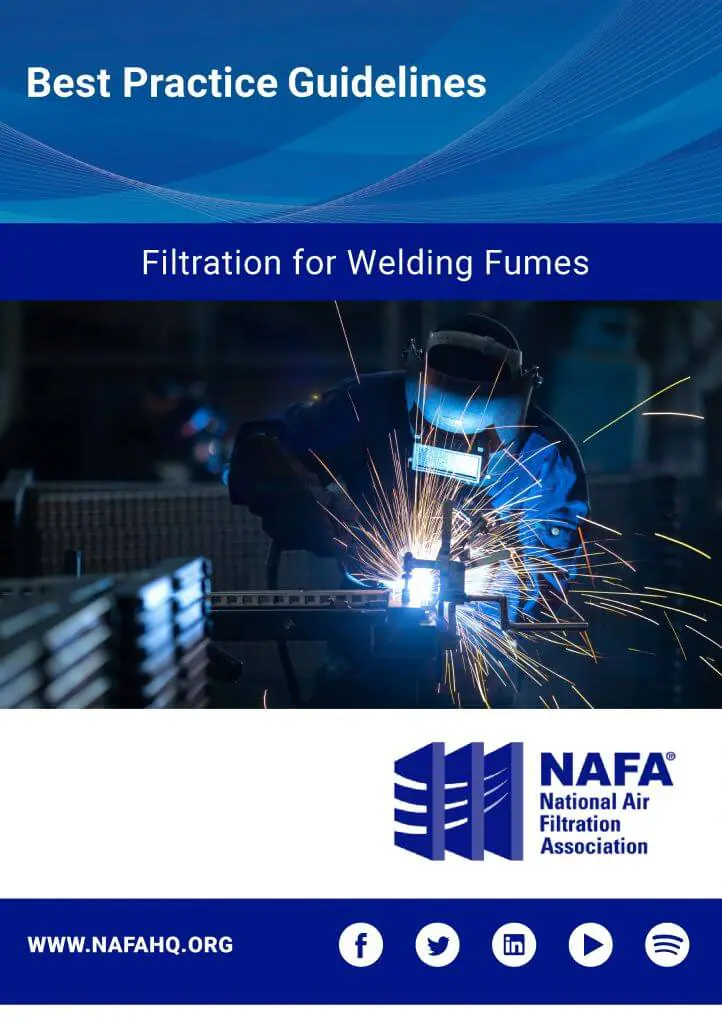
This best practice establishes air filtration guidelines for the removal of particulate and gaseous contaminants from the immediate breathing zone of employees engaged in the process of welding.
Filtration for Continuing Care Retirement Communities
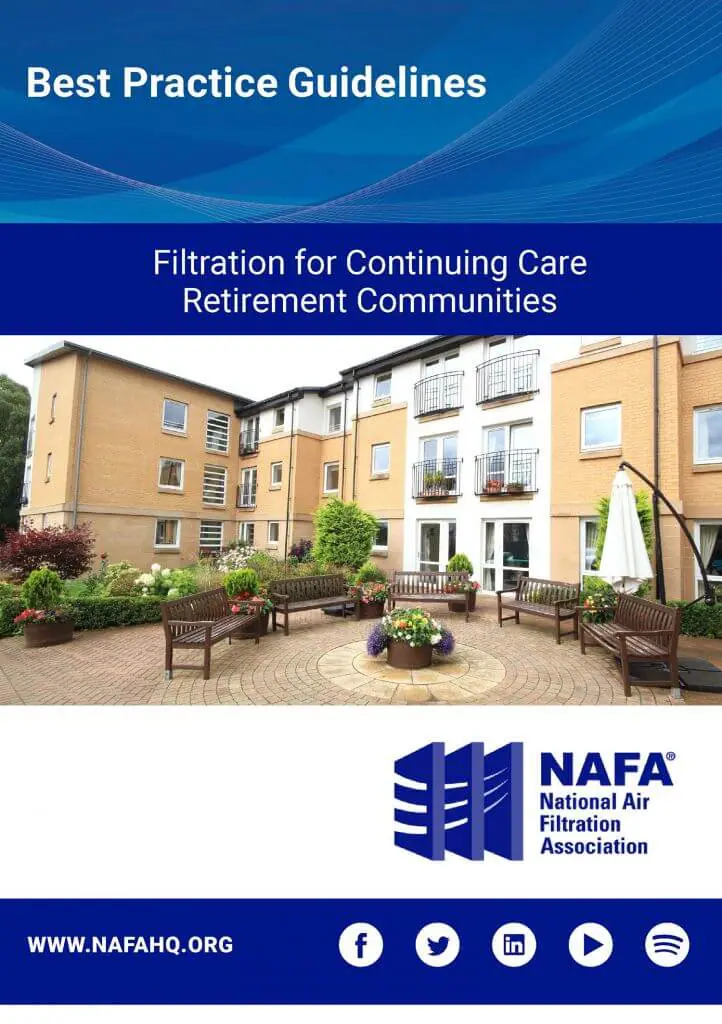
This best recommended practice establishes air filtration guidelines for the removal of particulate and gaseous contaminants for the protection and long-term preservation of historical documents and artifacts.
Filtration for Firing Ranges
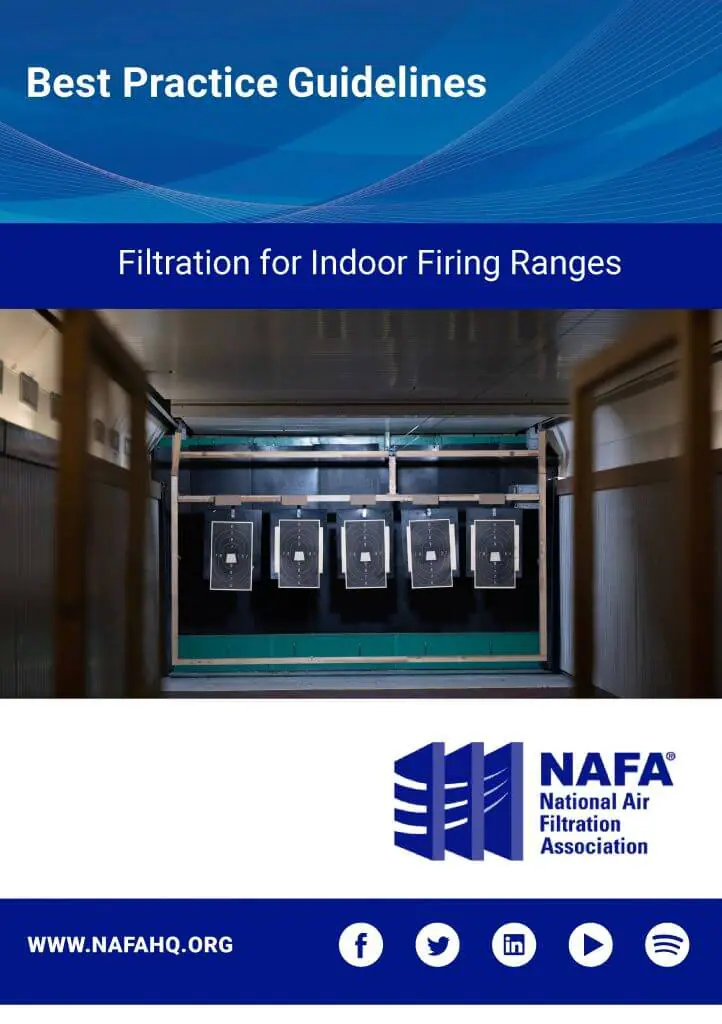
This best recommended practice establishes air filtration guidelines for the removal of airborne contaminants for the protection of employees and participants in indoor firing ranges. To identify air quality issues associated with indoor firing ranges.
Filtration for Molecular Filtration
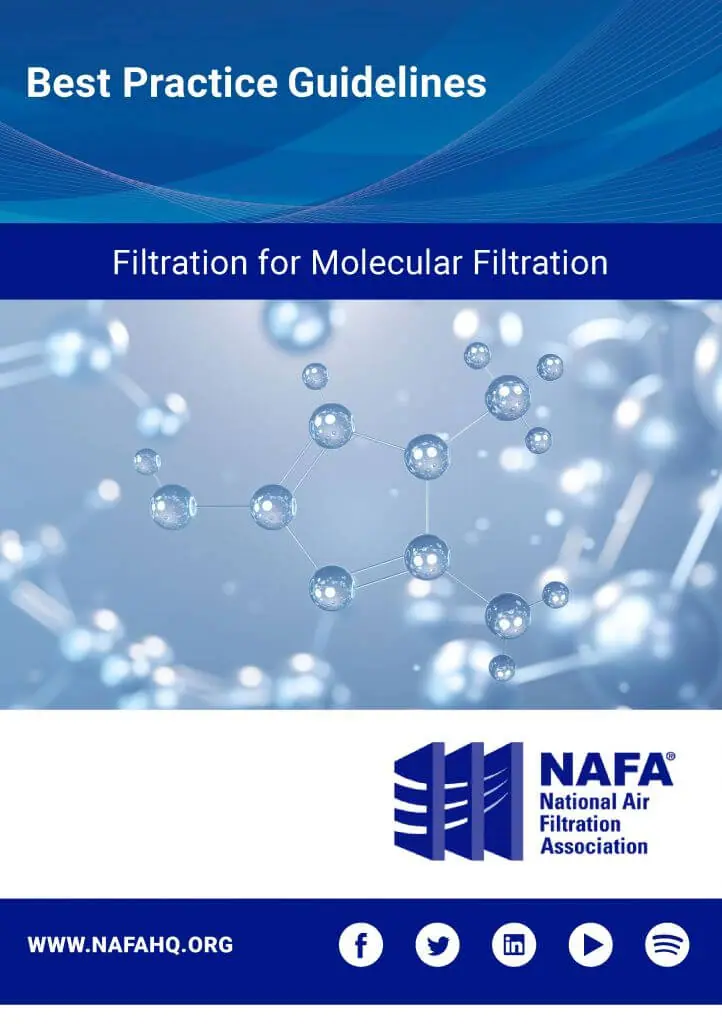
This best practice guideline is designed to provide a general overview of how best to apply molecular filtration in HVAC applications where the need to remove gaseous airborne contaminants exists.
Filtration for the Residential HVAC Industry
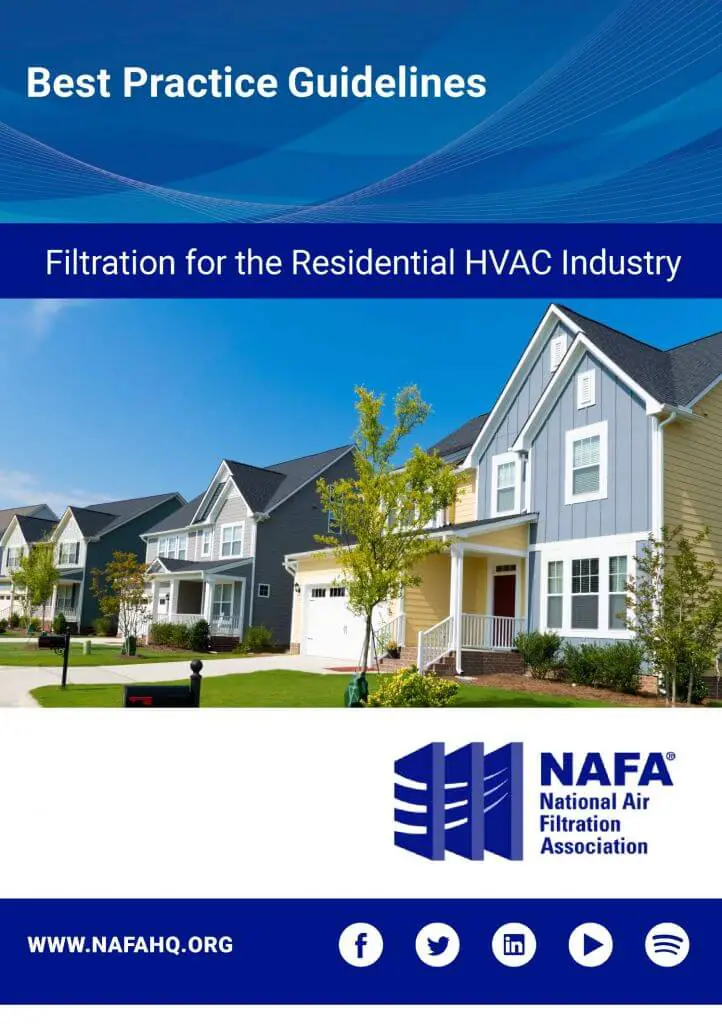
This best practice guideline establishes air filtration for the removal of particulate and gaseous contaminants for the protection of the Heating, Ventilating, and Air Conditioning (HVAC) equipment and components, as well as providing comfort and a healthy environment..